
Okeechobee County Arrest History
OCSO deputies, Okeechobee Police officers, FDLE agents, and other agencies with lawful authority can make arrests that lead to booking at Okeechobee County Jail. The arresting agency creates the narrative and probable-cause record. OCSO creates the jail intake file when it books the person. If charges are filed, the State Attorney and Clerk create a separate prosecution trail.
An arrest history is a set of linked events, not a verdict list. Arrest date, booking date, filing date, disposition date, and release date can differ. A city police report stays with the city even when OCSO houses the person. FDLE may later combine reportable arrest and disposition data from across Florida, but its public search remains name based.
OCSO Arrest Affidavit Requests
OCSO accepts requests through its official records page, GOVQA, records@okeesheriff.com, (863) 763-3117, or the counter at 504 NW 4th Street. Public Records extension 5023 can confirm whether OCSO holds the requested record. The records clerk's counter schedule is Monday through Friday, 8:00 a.m. to 4:00 p.m.
OCSO Public Records
504 NW 4th Street
Okeechobee, FL 34972
(863) 763-3117 ext. 5023
records@okeesheriff.com
Provide the report number, event date, location, name, and desired arrest affidavit. OCSO gives involved persons individual reports and arrest affidavits free as a courtesy. Other copies cost 15 cents per page, and lengthy research can cost $15 per hour, prepaid. Protected parts may be redacted.
Looking Up Okeechobee County Arrests
Choose the source by the question. Corrections concerns county custody. The creating agency supplies the incident narrative. The Clerk shows filed charges and disposition. FDLE supplies statewide public Florida history or a fingerprint-supported Personal Review for one's own record.
- Open Inmate Search from the OCSO Corrections page for current or recent local custody.
- Ask the arresting agency for its report or arrest affidavit.
- Search the Okeechobee Clerk docket for filed charges and disposition.
- Use FDLE Instant Search for statewide public history or Personal Review for a fingerprint-supported self-audit.
- Submit a narrow GOVQA, email, phone, or counter request when the needed record is not online.
Inside an Okeechobee County Arrest Record
At intake, Corrections records identity and custody data, the arresting agency, alleged charges, and available bond or hold information. The live vendor profile was not reliably inspectable, so confirm current screen labels before relying on them.
| Booking Number | Local identifier for one intake episode when displayed. |
|---|---|
| Booking Date & Time | Jail intake, which can differ from arrest or filing time. |
| Arresting Agency | The office that owns the incident narrative. |
| Charges | Intake allegations, not necessarily the charges filed later. |
| Bond | Available bond or hold data at that stage. |
| Booking Photo | Do not assume a photo is public or republish it. |
| Release Status | Custody can end while the case continues. |
Okeechobee County Jail Bookings
The OCSO Corrections page links the official Inmate Search. The jail has four housing units, two negative-pressure rooms, and 344 beds. Those facility details describe operations, not public medical data.
A negative roster result can reflect release, transfer, spelling differences, delayed data, or custody elsewhere. The vendor endpoint can change, so enter through OCSO. Call Corrections when status needs confirmation.
Booking Logs and Recent Arrests
OCSO provides Inmate Search rather than a confirmed stand-alone historic arrest blotter. Use it for current or recent county custody. The public roster does not expose the whole jail file, and inmate records may contain exempt parts.
Release from the roster does not close the case. A missing name does not prove no arrest occurred. For an older event, request the affidavit, search the Clerk docket, and use FDLE when statewide coverage is needed.
Okeechobee Arrest Record Limits
Florida law can restrict active investigative material, victim data, juvenile information, confidential sources, and medical records. The expunction statute governs a court-ordered remedy, not a simple deletion request.
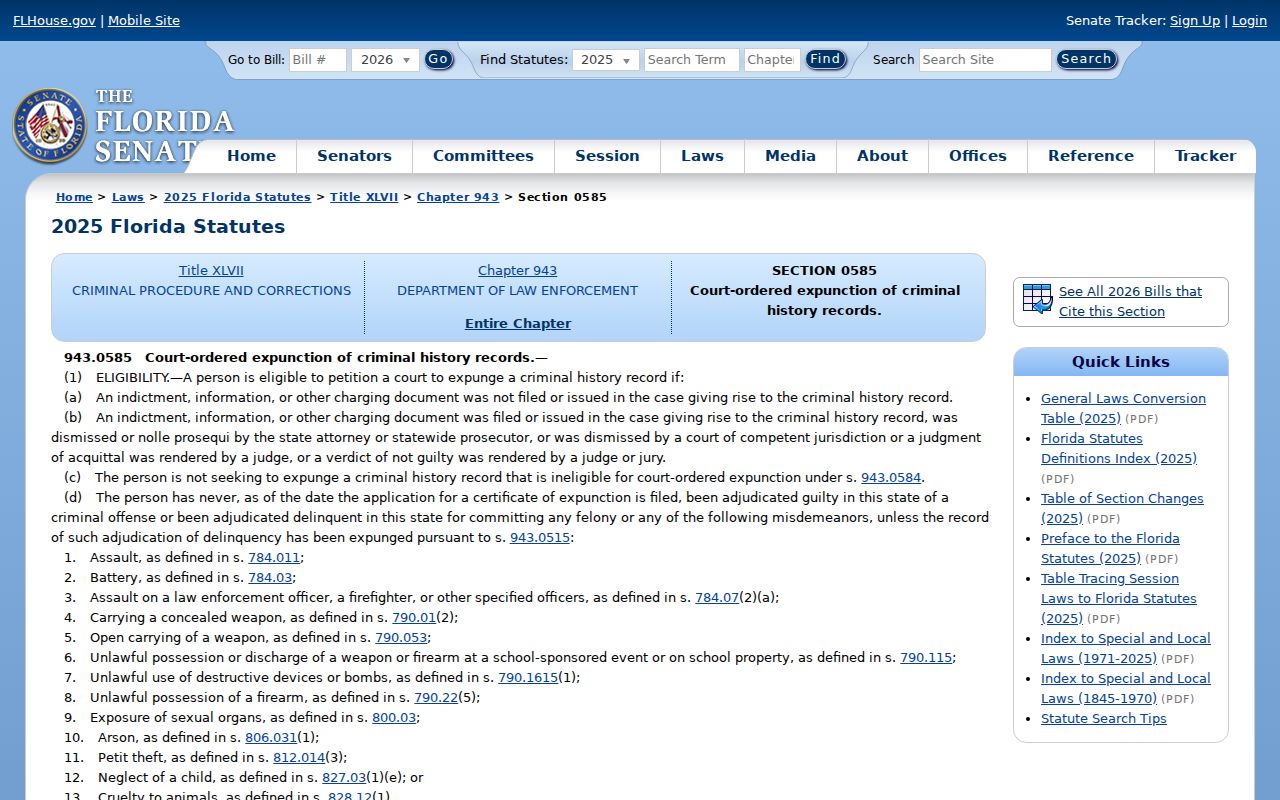
The eligibility exclusions statute adds limits.
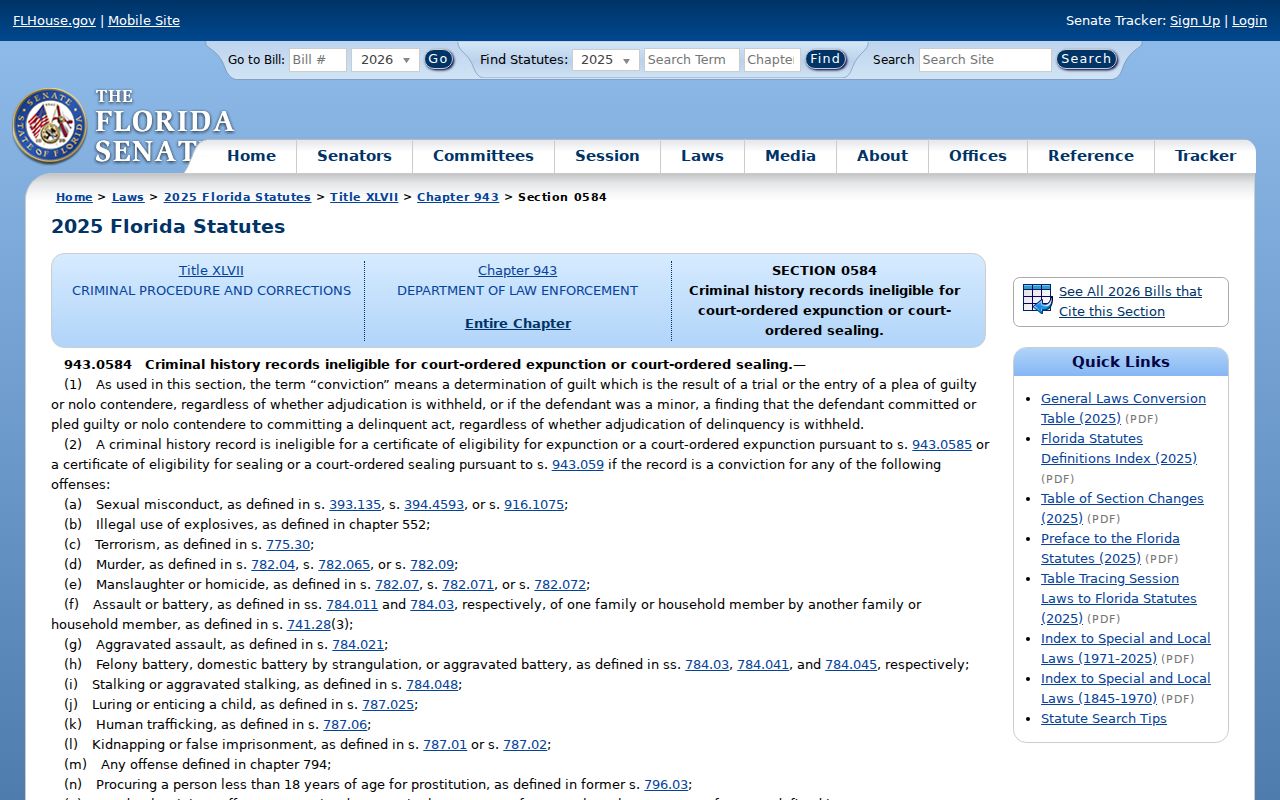
Keep the affidavit and certified disposition before pursuing relief.
Okeechobee Federal Arrest Records
A federal prosecution does not appear as an Okeechobee County trial case. The county lies in the Fort Pierce Division of the Southern District of Florida. PACER supplies federal dockets after registration.
The official PACER pricing page explains access charges.
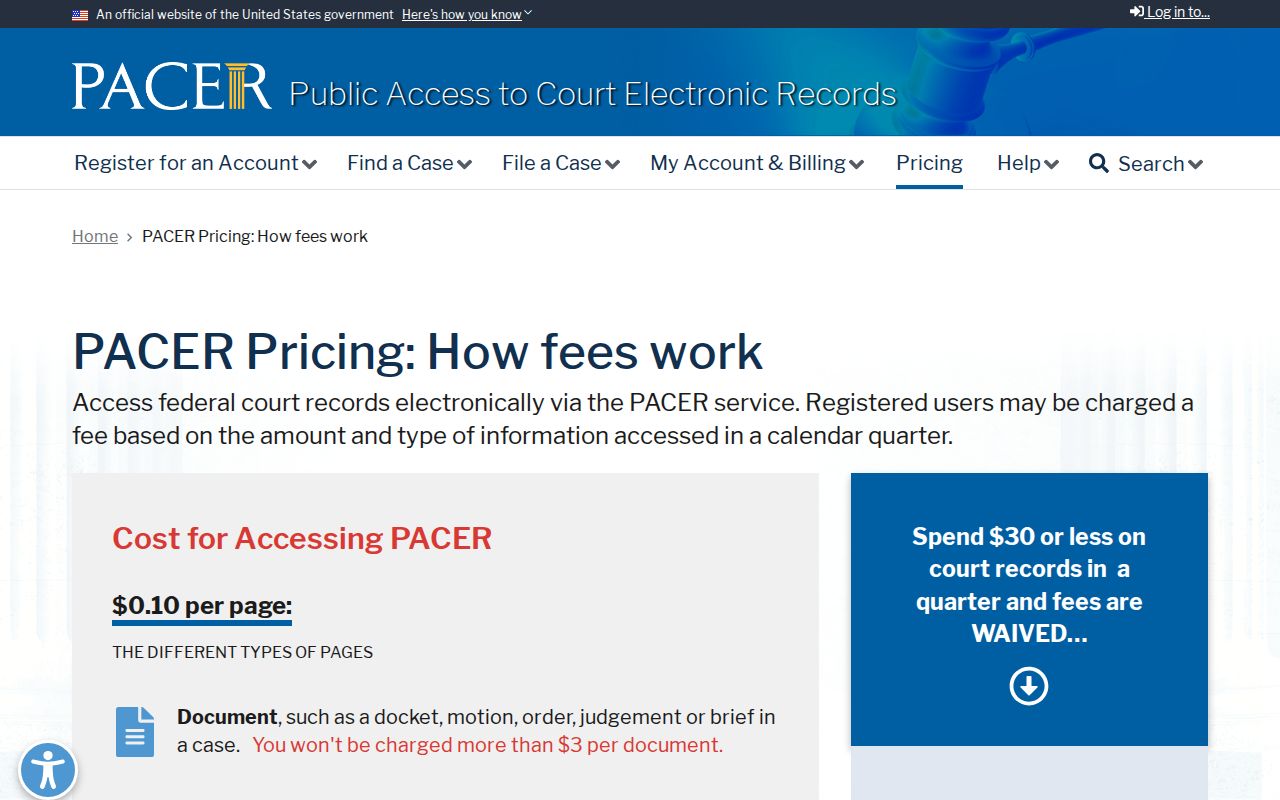
Use PACER only for federal cases, not as a replacement for OCSO booking or the Clerk.
Okeechobee Arrests Through Disposition
The record chain begins with law enforcement documenting the event and asserted basis for custody. Corrections then records intake, the arresting agency, alleged charges, and bond or hold information available at that time. First appearance and later bond rulings create court entries. The State Attorney may file an information, choose another lawful charge, or decline prosecution. The Clerk then records motions, plea or trial, dismissal, adjudication, sentence, supervision, and financial orders.
Each date answers a different question. The booking date tells when jail intake occurred. The filing date tells when a prosecution entered court. A disposition date marks a court result. Release only ends that custody episode. It does not resolve a pending case. Conversely, a closed case does not show whether someone remains held on another matter. Match the records by identifiers and dates instead of expecting identical wording.
Fixing an Okeechobee Disposition Gap
FDLE reporting can lag or lack a final disposition. For one's own record, begin with the Okeechobee Clerk. Obtain a certified judgment, dismissal, or other final instrument tied to the correct case number. Then use FDLE's free Personal Review, which requires fingerprints taken by a law-enforcement or criminal-justice agency and a mailed form. The fingerprint route is stronger for identity than a public name match.
A Personal Review is available only to the subject or designated attorney and is not a certified result. It supports an accuracy and completeness challenge. Do not infer that an old arrest ended in conviction merely because a state result lacks the closing court event. Supply the custodian with the certified local disposition and follow FDLE's challenge instructions.
For a broad Florida name search, FDLE Instant Search costs $24 plus a $1 card fee and returns an immediate, noncertified result. A staff-run certified or noncertified search costs $24, with longer published processing times. Those products cover reportable Florida history, not a complete OCSO investigative file. A local sheriff background check is also local in scope. Select the product that matches the geographic and document need.
Okeechobee Arrests Are Not Convictions
An arrest record proves that an arrest or booking event was recorded. A conviction requires a court judgment after a plea or trial. OCSO and the arresting agency hold the first record; the Clerk holds the second.
| Arrest Record | Conviction Record |
|---|---|
| Created by the arresting agency and jail. | Created by the court through judgment. |
| Shows an arrest or booking event, not guilt. | Shows a court finding of guilt. |
| OCSO or the arresting agency. | Clerk and reported FDLE history. |
| Release, no filing, dismissal, or acquittal may follow. | Sentence, appeal, or lawful record relief may follow. |
Note: An Okeechobee arrest is not proof of guilt; read the Clerk's final disposition before drawing a conclusion.
A dismissal means the filed case ended without a conviction on that charge. An acquittal follows a not-guilty result at trial. A withhold of adjudication has its own legal meaning and should not be casually labeled a conviction or dismissal. Read the judgment language and sentence. If the public docket is unclear, request the actual disposition from the Clerk rather than relying on a booking label.
Corrections staff cannot give legal advice about the effect of a charge, and records staff cannot predict eligibility for sealing or expunction. Their role is to locate and release records within the law. Questions about legal consequences belong with qualified counsel.
For an Okeechobee Police arrest, contact the city Police Records Clerk at PoliceRecords@cityofokeechobee.com or (863) 763-3372 extension 9788. The city accepts requests by phone, email, or counter. Its copy fees differ from OCSO fees, and work beyond 15 minutes can lead to labor or information-technology charges. Ask for an estimate before a broad request.
Florida's records law does not require an agency to create a new list or summary that it does not keep. Identify an existing report, affidavit, booking record, or court instrument. A narrow date, location, report number, booking number, or case number reduces search time. Email addresses sent to a Florida agency may themselves become public records, so use another published channel when that matters.
Warrant arrests need one more check. OCSO Warrants uses (863) 763-3117 extension 5031 for local verification. The Clerk docket can show a capias, return, recall, or failure-to-appear entry, but an old docket event is not proof that a warrant remains active. FDLE's free Wanted Persons Search is a separate statewide tool and may not contain every local bench warrant.
When checking one's own possible warrant, call the Warrants Unit and follow official instructions. Do not arrive without guidance or rely on an aggregator. After resolution, keep the recall, quash, or return order and allow time for operational systems to update.
Current county custody and later state custody require different searches. OCSO Inmate Search concerns the local jail. Florida Department of Corrections Offender Search concerns state prison and adult supervision. A transfer can remove a person from the Okeechobee roster while adding a state record later. Juvenile custody follows another route, and juvenile records are generally confidential subject to narrow exceptions. Search the system tied to the custody period, then use the Clerk for the case result.
Locally, a booking number identifies one intake episode, while an FDC number identifies a state corrections record. Do not substitute one for the other. Confirm names, dates, and agencies before deciding that records concern the same person.